
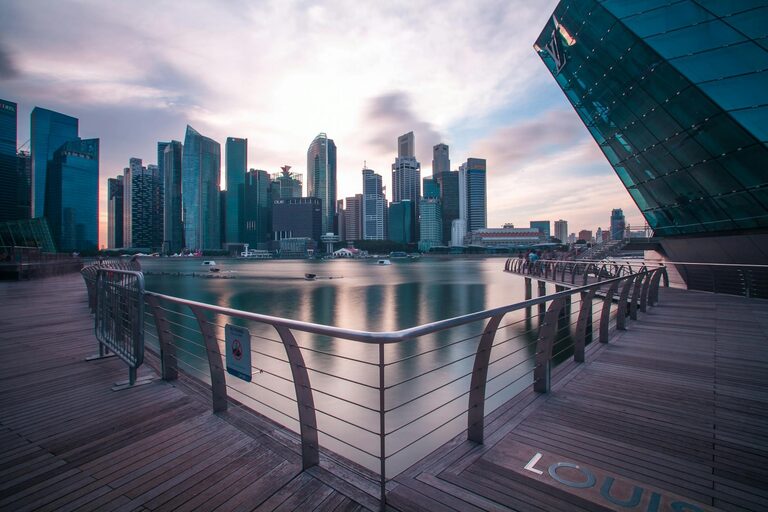
What is Green Mark?
The Green Mark scheme is Singapore’s national green building certification developed and managed by the Building and Construction Authority (BCA). Established in 2005, this scheme evaluates the environmental impact and performance of buildings across multiple aspects, encouraging the creation of projects that are sustainable, energy-efficient, and resource-savvy.
The rating system assesses building design, construction, and operational efficiency in areas such as energy consumption, water efficiency, indoor environmental quality, and use of sustainable materials.
Key Objectives of the Green Mark Scheme
- Reduce energy and water consumption: Encourage efficient use of energy and water resources in buildings.
- Improve environmental sustainability: Support adoption of environmentally friendly building materials and technologies.
- Enhance indoor environmental quality: Promote healthier and more comfortable indoor spaces for occupants.
- Encourage innovation in building design: Recognize pioneering sustainable architecture and systems.
- Support Singapore’s climate goals: Advance the nation’s target of reducing greenhouse gas emissions and tackling climate change.
Green Mark Certification Levels
The Green Mark scheme has several tiers that indicate the level of sustainability met by the building:
- Certified: Entry-level certification for meeting basic green building requirements.
- Gold: Achieves a higher standard with additional energy and resource efficiencies.
- GoldPlus: Exemplifies advanced green building practices and innovation.
- Platinum: The highest rating, awarded to buildings with outstanding environmental performance and sustainability integration.
As of 2024, more than 3,300 projects have been certified under this scheme across Singapore.
Why Green Mark Matters for Homeowners
Homeowners increasingly recognize the importance of sustainable buildings for these reasons:
- Lower Utility Costs: Energy-efficient design reduces electricity and water bills by utilizing better insulation, energy-saving appliances, and water-saving fittings.
- Increased Comfort and Health: Certified homes typically have better ventilation, indoor air quality, and lighting, which contribute to a healthier living environment.
- Property Value: Green certification can enhance property value, as buyers and renters show growing preference for environmentally responsible homes.
- Contribution to Environmental Protection: Homeowners can take an active role in reducing their carbon footprint and conserving natural resources.
Why Green Mark Matters for Office Owners
Office owners benefit from Green Mark certification in multiple ways:
- Operational Cost Savings: Office buildings with improved energy efficiency experience reduced operational expenses over time.
- Regulatory Compliance: Some government incentives and regulations require or encourage sustainable building designs and upgrades.
- Employee Well-being and Productivity: Environments with better air quality, temperature control, and lighting can boost employee morale and reduce absenteeism.
- Positive Corporate Image: Certification demonstrates corporate social responsibility and commitment to environmental stewardship, which appeals to clients and investors.
- Access to Incentives: According to current schemes, certified buildings may be eligible for certain rebates and funding support from Singapore government agencies.
Key Criteria Measured in Green Mark Assessments
Green Mark assesses buildings on several factors:
- Energy Efficiency: Optimizing HVAC systems, lighting, and electrical appliances.
- Water Efficiency: Installing water-saving devices and implementing rainwater harvesting or recycling.
- Environmental Protection: Selecting sustainable materials and minimizing waste generation.
- Indoor Environmental Quality: Ensuring natural ventilation, adequate daylight, and low-emission materials.
- Innovation: Incorporating novel technologies or building design approaches to enhance sustainability.
How to Check if a Building is Green Mark Certified
Building owners and tenants can verify Green Mark certification through the official BCA Green Mark directory available on the BCA website. This publicly accessible database lists all certified projects with their certification level and key information.
Green Mark and Singapore’s Climate Action Plan
Singapore aims to halve its peak greenhouse gas emissions by 2050 and achieve net-zero emissions as soon as viable in the second half of the century. The Green Mark scheme is a critical pillar of this goal by transforming the built environment to be more resource-efficient. Through continuous updates to assessment criteria and increased adoption, Green Mark supports the nationwide effort to create sustainable, climate-resilient infrastructure.
Additional Resources
- Energy Market Authority (EMA) – For regulations on energy consumption and efficiency.
- Housing Development Board (HDB) – For guidelines on public housing and sustainability.
- Central Provident Fund (CPF) Board – For schemes supporting housing and building improvements.
Conclusion
The Green Mark certification represents a comprehensive approach to sustainable building in Singapore. Whether for homeowners or office owners, understanding and pursuing this certification can greatly contribute to financial savings, occupant well-being, and environmental protection. Staying informed of certification requirements and benefits helps building stakeholders play an active role in advancing Singapore’s sustainable urban development.
This site is an informational blog and is not affiliated with the Government of Singapore.