
Introduction
As of 2024, Singapore continues to evolve its residential landscape to meet growing demands for sustainability, connectivity, and quality of life. While the city’s iconic high-rise housing often takes the spotlight, there is a notable focus on enhancing suburban and village-style living environments. This is being achieved through a combination of smart home technologies, energy-saving districts, and updated building standards designed to promote eco-friendly, resilient, and community-oriented neighborhoods.
Smart Homes: Enhancing Suburban Living
Smart home technology is transforming how residents interact with their living spaces. Beyond convenience, these innovations support energy conservation and security.
What Are Smart Homes?
Smart homes integrate internet-connected devices—such as lighting systems, thermostats, security alarms, and appliances—that users can monitor and control remotely.
Applications in Singapore’s Suburbs
- Energy Management: Smart meters and automated lighting systems help reduce electricity usage by optimizing consumption based on real-time data.
- Security Enhancements: Video doorbells, motion sensors, and smart locks increase safety for residents and complement community surveillance efforts.
- Comfort and Accessibility: Voice-activated assistants and adaptive environments improve daily living, particularly for elderly or differently-abled residents.
According to the Energy Market Authority (EMA), smart home adoption is a critical part of Singapore’s Smart Nation initiative, aiming to reduce energy waste and make homes more responsive to occupant needs.
Energy-Saving Districts: Creating Sustainable Neighborhoods
Moving beyond individual buildings, Singapore is piloting energy-saving districts — communities designed to maximize green energy use and minimize environmental impact on a larger scale.
Key Features of Energy-Saving Districts
- District Cooling Systems: These provide centralized cooling, which is more energy-efficient than individual air-conditioning units.
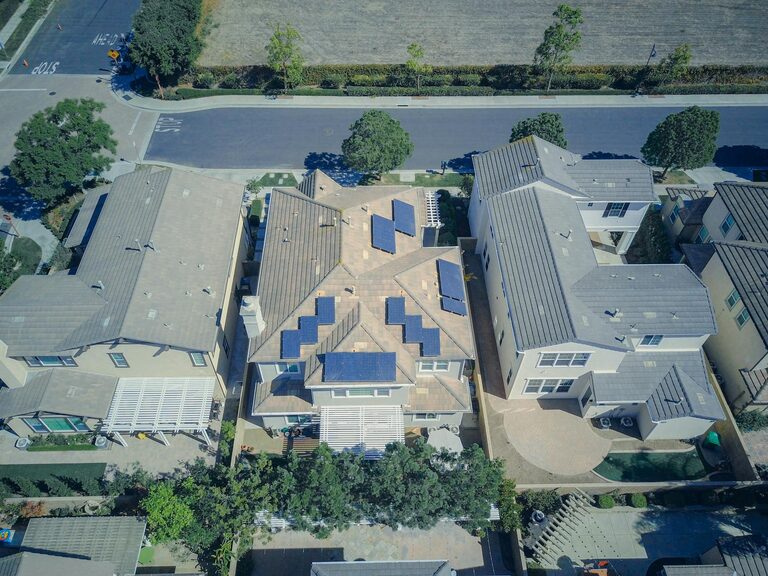
- Renewable Energy Integration: Solar panels on rooftops, solar farms, and hybrid energy solutions are integrated to power the neighborhood sustainably.
- Smart Energy Grids: Intelligent power grids balance supply and demand efficiently, optimizing energy distribution in real time.
- Green Spaces and Water Management: Parks and permeable pavements aid in temperature regulation and rainwater absorption, contributing to environmental resilience.
One example is the Housing & Development Board (HDB)’s efforts to construct precincts with district cooling and solar energy capabilities, aligning with Singapore’s Green Plan 2030 goals.
New Building Standards: Preparing for the Future
To support sustainable suburban development, Singapore has updated its building codes and standards. These reflect international best practices and local environmental needs.
Highlights of Updated Building Standards
- Energy Efficiency Regulations: New standards require buildings to meet minimum energy performance criteria, encouraging green building certification.
- Use of Sustainable Materials: Encouragement or mandates for eco-friendly construction materials and recycled content.
- Improved Indoor Environmental Quality: Guidelines on ventilation, natural lighting, and thermal comfort to promote healthier living spaces.
- Smart and Modular Design: Incorporation of digital building management systems and modular construction techniques reduces build time and waste.
The Building and Construction Authority (BCA) manages these standards, regularly updating them to align with sustainability targets and technological advances.
Challenges and Opportunities
While these developments hold great promise, some challenges persist:
- Cost and Accessibility: Smart technologies and green building features can have higher upfront costs.
- Infrastructure Integration: Upgrading existing suburban neighborhoods requires careful planning to avoid disruption.
- Community Engagement: Residents play a key role in embracing and maintaining sustainable living practices.
Nevertheless, the benefits—such as lower utility bills, improved health outcomes, and enhanced community cohesion—provide strong incentives for adoption.
Conclusion
Singapore’s future suburban and village-style living is set to be defined by smart home innovations, energy-saving district development, and robust building standards. These efforts are part of a broader national strategy to create sustainable, liveable, and resilient communities. By integrating technology and environmental principles, Singapore aims to preserve the charm of suburban neighborhoods while meeting modern needs.
For more detailed information on relevant initiatives and regulations, consult the official websites of the Energy Market Authority, Housing & Development Board, and Building and Construction Authority.
Disclaimer: This site is an informational blog and is not affiliated with the Government of Singapore.